The island is leaving
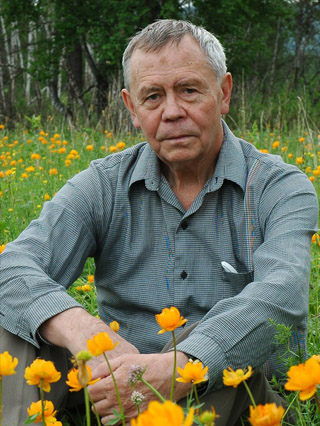
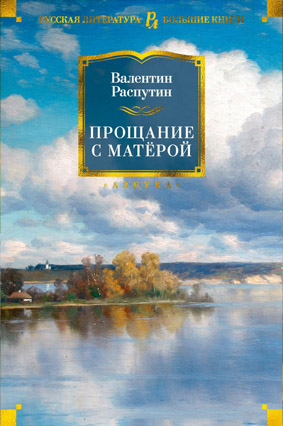
In 2026, it will be 50 years since the publication of one of the most significant works not only of “village prose,” but of all Russian literature of the 20th century — Valentin Grigorievich Rasputin's story "Farewell to Matera". First published in 1976 on the pages of the magazine “Our Contemporary” , this book continues to excite readers with its piercing sincerity, philosophical depth and pain for the fate of a person losing his roots.
The impetus for writing the story was real events. Valentin Rasputin, a native of the Siberian village of Ust-Uda, witnessed a grandiose and tragic process — construction of a cascade of hydroelectric power stations on the Angara. To build dams, it was necessary to flood vast areas, and thousands of villages, including the very Atalanka where the writer spent his childhood, went under water forever.
Back in 1972, in the essay “Upstream and Downstream” Rasputin described the conflicting feelings of a person, aware of the inevitability of change, but unable to come to terms with the disappearance of his native land. And in 1976, this emotional drama resulted in a powerful artistic canvas— story "Farewell to Matera", where private history turned into a reflection on the fate of Russia, the cost of progress and the memory of generations.
At the center of the story — island and village with the warm, almost sacred name Matera. «And again spring came, its own in its endless series, but the last for Matera, for the island and the village that bear the same name». A dam is being built down the Angara and the island is to be flooded.
"Farewell to Matera" — this is not just “about the village”;. This is a book about each of us. The questions Rasputin poses are becoming more acute: what are we losing on the path of progress? Is there a connection between the past and the future? What is Motherland — Just a place to live or something more?
The writer shows the tragedy of people who are “ripped from their place.” “They grow their roots into the land where they were born. They cannot take root in a new place and quickly die.” . In a world where values are becoming more and more virtual, and the connection with the earth — ghostly, the voice of Rasputin’s Daria sounds with renewed vigor, reminding: a man without memory, without a family, without his “mother” — just a grain of sand that will be washed away by the first wave of change.
Thoughtful, slow reading of Rasputin — this is an opportunity to stop in the frantic rhythm of modernity and ask yourself those very important questions before it’s too late.
In our electronic catalog ruslan-neo.nsu.ru/pwb/ you can find different editions of the story.